
Fake Faces For Fake News
Esto lo hice con Matías Escalona. Apareció thispersondoesnotexist, una página que generaba caras de personas que no existen, y los dos nos quedamos pensando en lo mismo. Si una máquina te da una cara creíble en un clic, ya podés fabricar cualquier noticia falsa. No solo la historia. También el periodista que la firma, el testigo que la cuenta, la cara de la foto. El último anclaje de credibilidad, un rostro humano, dejó de valer nada.
Así que hicimos exactamente eso. Caras inventadas por una IA, pegadas a noticias inventadas por nosotros. Inmigrantes que cobran sueldos, trenes saboteados, chicles que tardan siete años en digerirse, la Gran Muralla vista desde el espacio. Mezclamos política con mitos de toda la vida, porque a la mentira le da igual.
Cada pieza termina confesando. Esta persona no existe. Esta noticia tampoco. Que no te tomen por idiota. Y abajo, un verificador de verdad.
Para mí esto es el comienzo de algo más grande que la postverdad. La postverdad dice que los hechos importan menos que la emoción. Lo que viene después es peor. La postracionalidad. Ya ni discutimos si algo es cierto. Elegimos qué creer y nos quedamos ahí. Da igual si es falso. Elijo creer.
La cara generada solo lo hace más fácil. Te da a quién creerle, a quién señalar, a quién odiar. No tenés que verificar nada. Tenés una cara. Y una cara alcanza.
El proyecto no te pide que seas más listo. Te muestra lo barata que se volvió la mentira, te dice en la cara que es mentira, y te deja la decisión. A ver qué elegís.
I made this with Matías Escalona. thispersondoesnotexist had just come out—a website that generated faces of people who don’t exist—and both of us caught ourselves thinking about the exact same thing. If a machine can give you a believable face in a single click, you can now manufacture any fake news story you want. Not just the narrative. Also the journalist signing it, the witness telling it, the face in the photo. The final anchor of credibility—a human face—ceased to be worth anything at all.
So we did exactly that. Faces invented by an AI, attached to news stories invented by us. Immigrants receiving salaries, sabotaged trains, chewing gum that takes seven years to digest, the Great Wall seen from space. We mixed politics with lifelong myths, because to a lie, it’s all the same.
Every piece ends with a confession: This person does not exist. This news doesn’t either. Don't let them take you for an idiot. And underneath, a truth verifier.
To me, this is the beginning of something larger than post-truth. Post-truth claims that facts matter less than emotion. What comes next is worse: post-rationality. We no longer even debate whether something is true. We choose what to believe and we stay right there. It doesn’t matter if it’s fake. I choose to believe.
The generated face just makes it easier. It gives you someone to believe, someone to point at, someone to hate. You don’t have to verify anything. You have a face. And a face is enough.
The project doesn’t ask you to be smarter. It shows you how cheap lying has become, tells you right to your face that it's a lie, and leaves the decision up to you. Let's see what you choose.
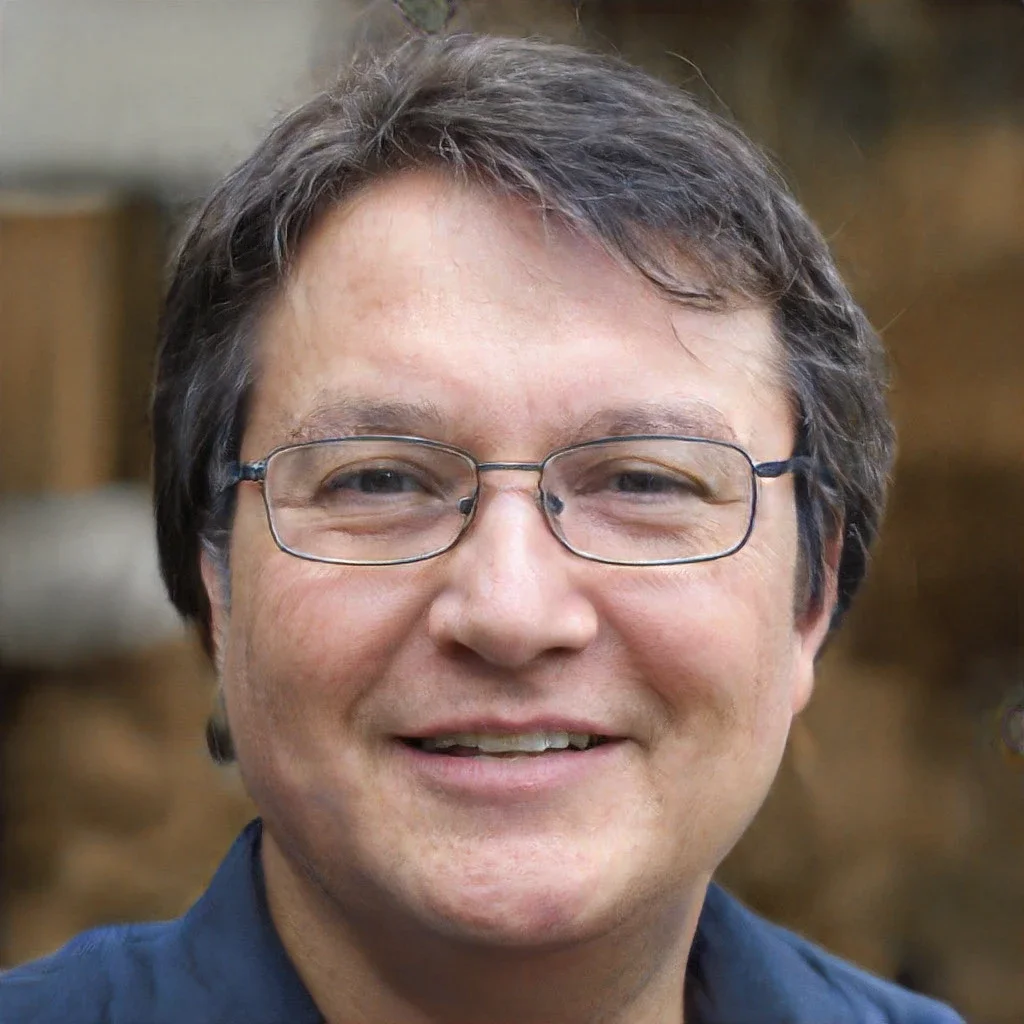
Vicente Aragaz
Esta es su única imagen y la única prueba de que existió. No existió. La noticia que firmaba decía que el dinero de todos terminaba en manos de los que acababan de llegar, sin haber aportado nunca nada. La compartieron más de diez mil veces en una tarde. Nadie dudó. No hacía falta. La historia confirmaba un enojo que ya estaba ahí, esperando una cara a la que culpar. Eso fue lo que generó. No información, sino permiso. Permiso para sentir en voz alta lo que muchos ya sentían en silencio. Queda su rostro, que no fue de nadie, y un resentimiento que sí fue real, y que sigue buscando a quién creerle.
This is his only picture and the only proof that he ever existed. He didn't. The news piece he signed claimed that everyone’s money was ending up in the hands of those who had just arrived, without ever having contributed a thing. It was shared over ten thousand times in a single afternoon. Nobody doubted it. There was no need to. The story confirmed an anger that was already there, waiting for a face to blame. That is what it generated. Not information, but permission. Permission to feel out loud what many were already feeling in silence. What remains is his face, which belonged to no one, and a resentment that was very real, and which keeps looking for someone to believe.
Newtral Check.
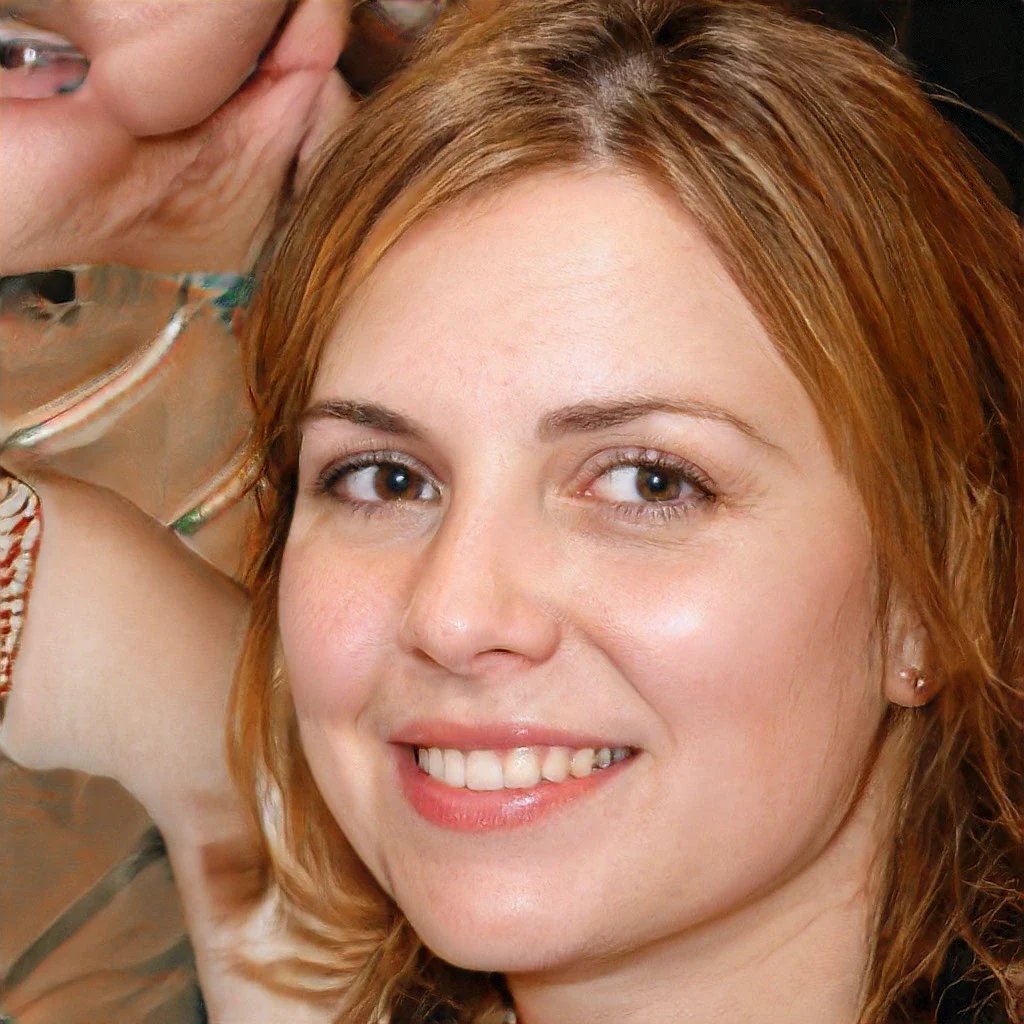
Lucía Ferrada
Nunca firmó una nota. Nunca tuvo manos para escribirla. La historia que llevaba su nombre contaba que un tren había descarrilado por un sabotaje, y señalaba a un culpable con nombre y apellido, a pocos días de una elección. Ciento veinte mil personas la hicieron suya. La sospecha viajó más rápido que cualquier desmentido, y se quedó. Eso generaba. No un hecho, sino una certeza prestada que cada uno usó para confirmar lo que ya pensaba del otro. De ella solo queda este rostro, prestado por una máquina, y una desconfianza que siguió circulando sola, sin necesitar que ella existiera.
She never signed an article. She never had hands to write it. The story carrying her name claimed that a train had derailed due to sabotage, and pointed at a culprit with first and last name, just days before an election. One hundred and twenty thousand people made it their own. The suspicion traveled faster than any debunking, and it stayed. That is what it generated. Not a fact, but a borrowed certainty that everyone used to confirm what they already thought of each other. Of her, all that remains is this face, borrowed from a machine, and a distrust that kept circulating on its own, without any need for her to exist.
Newtral Check.
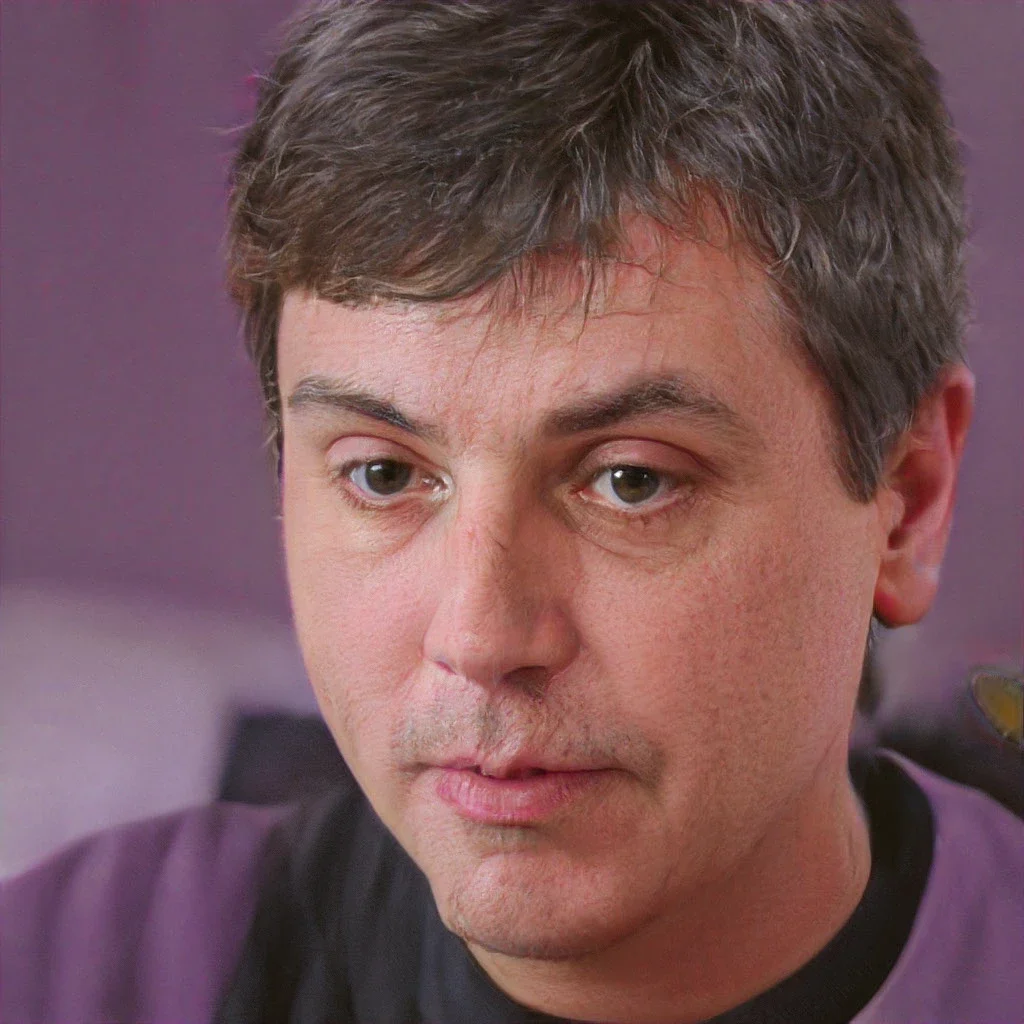
Mauricio González
Dice que una noche le prestó su abrigo a una chica, y que al día siguiente la madre le contó que esa chica llevaba años muerta. Que el abrigo apareció sobre su tumba. Es una historia que escuchamos mil veces, siempre contada por un amigo de un amigo, siempre cierta para quien la cuenta. No asusta. Conmueve. Eso es lo que genera. Un escalofrío suave y la necesidad de volver a contarla. La creemos no por prueba, sino porque queremos que el amor sobreviva a la muerte. Ahora la historia tiene cara. Una cara que tampoco vivió. Dos ausencias que se abrazan.
He says that one night he lent his coat to a girl, and that the next day her mother told him that the girl had been dead for years. That the coat appeared on her grave. It’s a story we’ve heard a thousand times, always told by a friend of a friend, always true to the one telling it. It doesn't scare us. It moves us. That is what it generates. A soft shiver and the need to tell it again. We believe it not because of proof, but because we want love to outlive death. Now the story has a face. A face that never lived either. Two absences embracing each other.
Snopes Check.
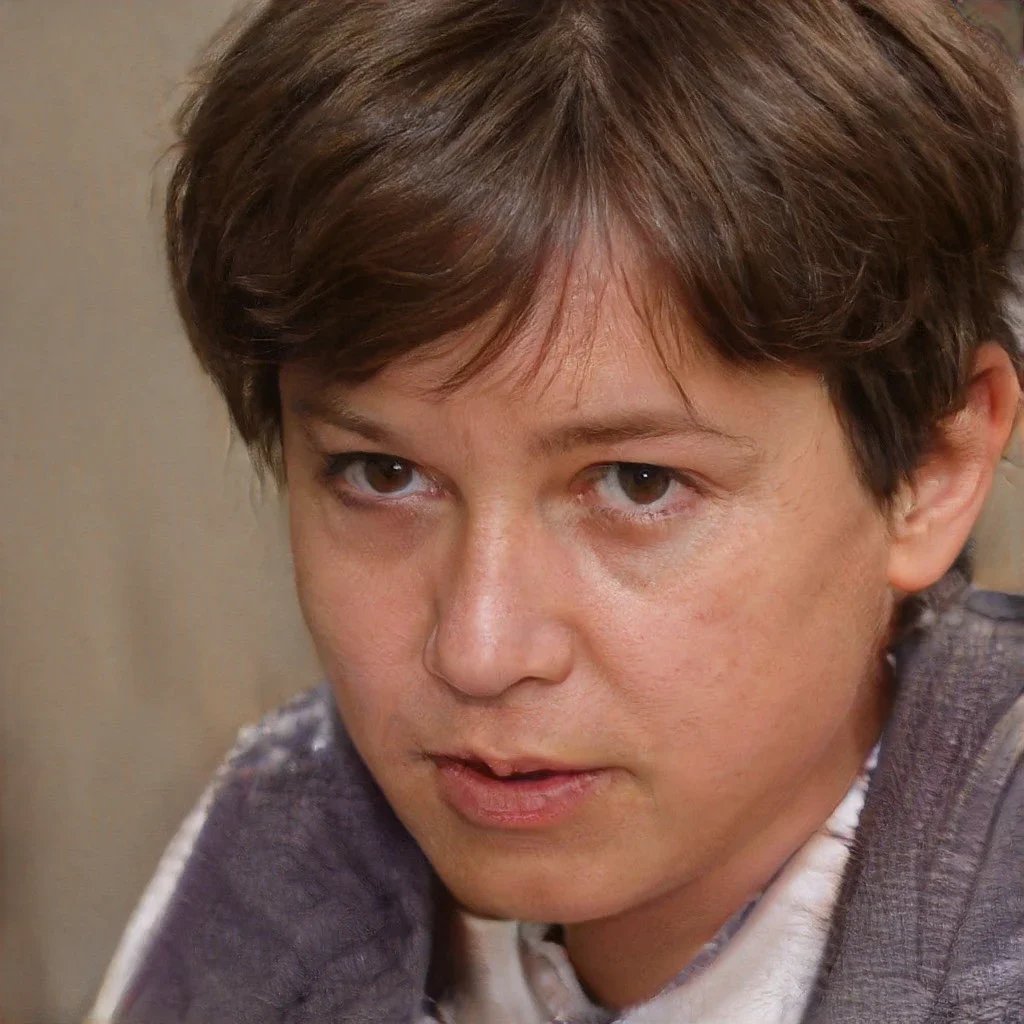
Roma Preston
La presentaron como la periodista que por fin comprobó, tras años de estudio, algo que todos repetíamos de chicos. Que un chicle tragado tarda siete años en salir del cuerpo. No comprobó nada. No estudió nada. No estuvo. Pero la noticia le puso método y bata a un miedo de infancia, y eso alcanzó. Lo que generaba era pequeño y enorme a la vez. Una obediencia mansa, un dato que pasa de padres a hijos como una herencia. Su certeza falsa sigue circulando en cada sobremesa, mucho más viva que ella, que nunca lo estuvo.
She was introduced as the journalist who finally proved, after years of study, something we all repeated as kids: that a swallowed piece of gum takes seven years to leave the body. She didn't prove anything. She didn't study anything. She wasn't there. But the news piece put a method and a lab coat on a childhood fear, and that was enough. What it generated was small and huge at the same time. A tame obedience, a fact passed down from parents to children like an inheritance. Her false certainty keeps circulating around every dinner table, much more alive than she is, who never was.
SnopesCheck.
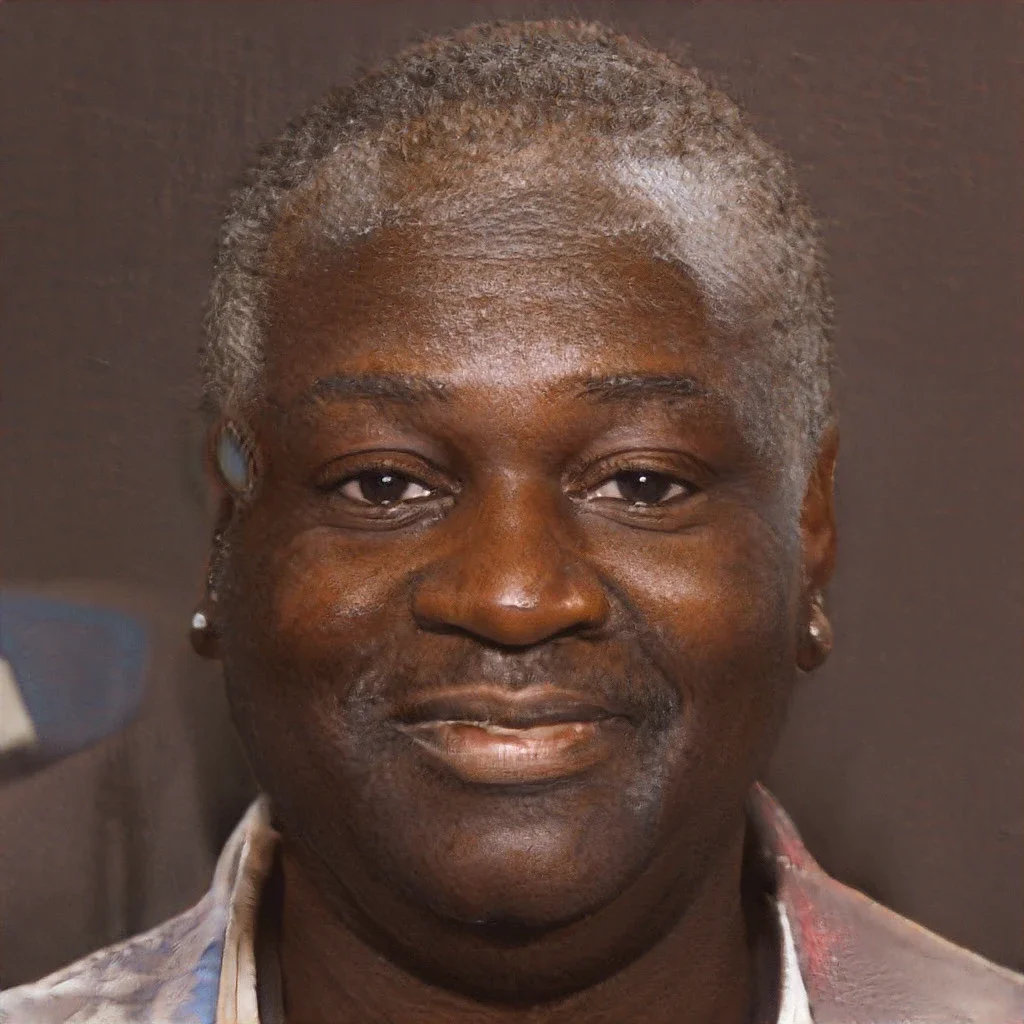
Anuar Thompson
Habló de lo que el cuerpo hace después de morir. Dijo, junto a una revista que tampoco existe, que las uñas y el pelo siguen creciendo bajo tierra. Él nunca tuvo cuerpo. Es un rostro sereno al que le confiamos una idea sobre la muerte, y le creímos porque tenía cara de saber. Eso generaba. Un estremecimiento, una imagen que se queda pegada, el morbo tranquilo de imaginar la vida insistiendo donde ya no la hay. La ciencia lo desmiente hace años. La imagen, no. La imagen gana siempre.
He spoke about what the body does after dying. He claimed, alongside a magazine that doesn't exist either, that nails and hair keep growing underground. He never had a body. He is a serene face to whom we entrusted an idea about death, and we believed him because he looked like he knew. That is what it generated. A shudder, an image that sticks with you, the quiet morbid pleasure of imagining life persisting where there is none left. Science debunked it years ago. The image, however, hasn't. The image always wins.
Natural Library of Medicine
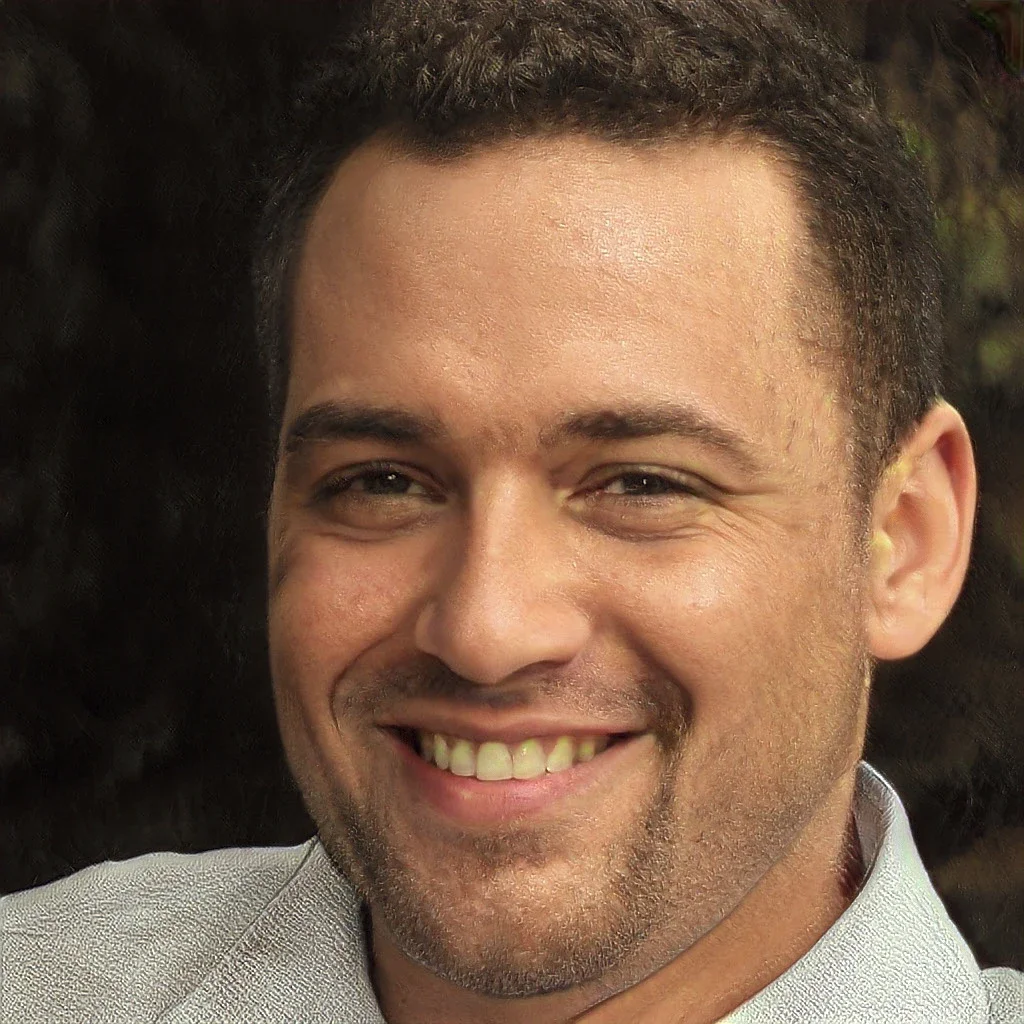
Bryon Sousa
La noticia que colgaba decía que una gran cadena había pagado una campaña presidencial, y diez mil personas la repitieron sin ver nunca un solo papel. No había nada que ver. Pero encajaba con lo que muchos ya sospechaban, y eso bastó para que circulara como prueba. Lo que generaba era indignación lista para usar. Un enemigo claro, una bronca cómoda, la sensación de haber descubierto algo. Solo queda este hombre que no nació, sosteniendo una acusación que le sobrevivió y que siguió funcionando aunque él jamás existiera.
The news headline attached to him claimed that a major corporation had paid for a presidential campaign, and ten thousand people repeated it without ever seeing a single piece of paper. There was nothing to see. But it fit what many already suspected, and that was enough for it to circulate as proof. What it generated was ready-to-use outrage. A clear enemy, a comfortable anger, the feeling of having uncovered something. All that remains is this man who was never born, holding up an accusation that outlived him and kept working even though he never existed.
Newtral Check.
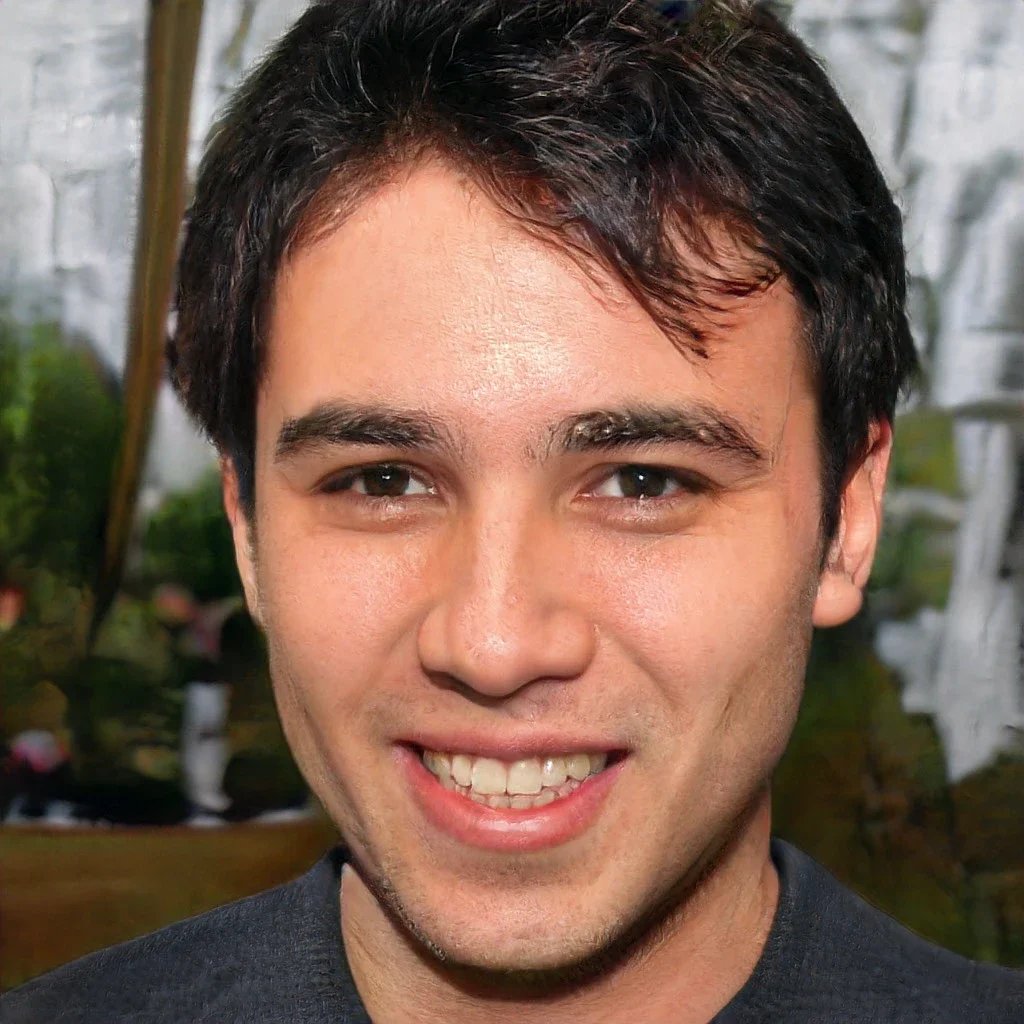
Camilo Salcedo
Lo pusieron como testigo en el lugar de una masacre real, con muchos muertos. Él no estuvo en ningún lado. La noticia aseguraba que un poderoso intentaba borrar sus rastros, y llegó cuando el dolor y la rabia todavía estaban abiertos. Por eso prendió. No entra mejor una mentira que cuando la gente ya está rota y buscando a quién odiar. Eso generaba. Una furia con destinatario, en medio de un duelo verdadero. Su cara le dio cuerpo a algo que nunca ocurrió. Es lo único que hizo, y alcanzó.
They framed him as a witness at the scene of a real massacre with many casualties. He wasn't anywhere. The news piece assured that a powerful figure was trying to erase their tracks, and it arrived when the pain and rage were still wide open. That's why it took hold. A lie never slips in better than when people are already broken and looking for someone to hate. That is what it generated. A fury with a target, in the midst of a true mourning. His face gave a body to something that never happened. It’s the only thing it did, and it was enough.
Newtral Check.
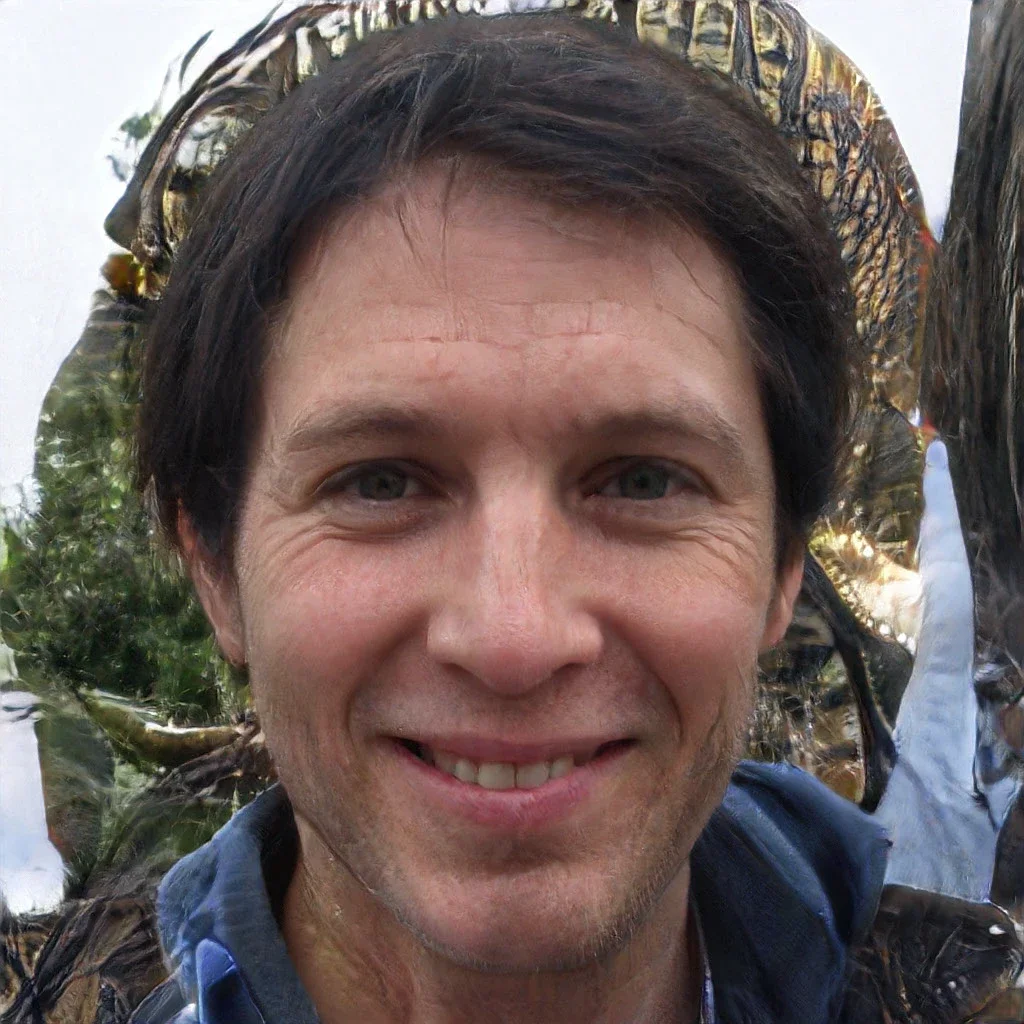
Maximilián Scheidemann
Lo vistieron de astronauta y le hicieron decir que desde el espacio había visto, con sus propios ojos, la Gran Muralla. Nunca subió. Nunca miró. La Muralla, además, no se ve así. Pero la noticia tocaba algo viejo y agradable. El orgullo, la maravilla, la idea linda de que lo humano puede ser tan grande que se note desde el cielo. Eso generaba. No un engaño con malicia, sino el placer de repetir un dato que nos enorgullece. Quisimos que fuera cierto, y por un rato, con su cara, lo fue.
They dressed him up as an astronaut and made him say that from space he had seen, with his own eyes, the Great Wall. He never went up. He never looked. Furthermore, the Great Wall cannot be seen that way. But the news touched upon something old and pleasing. Pride, wonder, the beautiful idea that human creation can be so massive it can be noticed from the sky. That is what it generated. Not a malicious deception, but the pleasure of repeating a fact that makes us proud. We wanted it to be true, and for a short while, with his face, it was.
Snopes Check
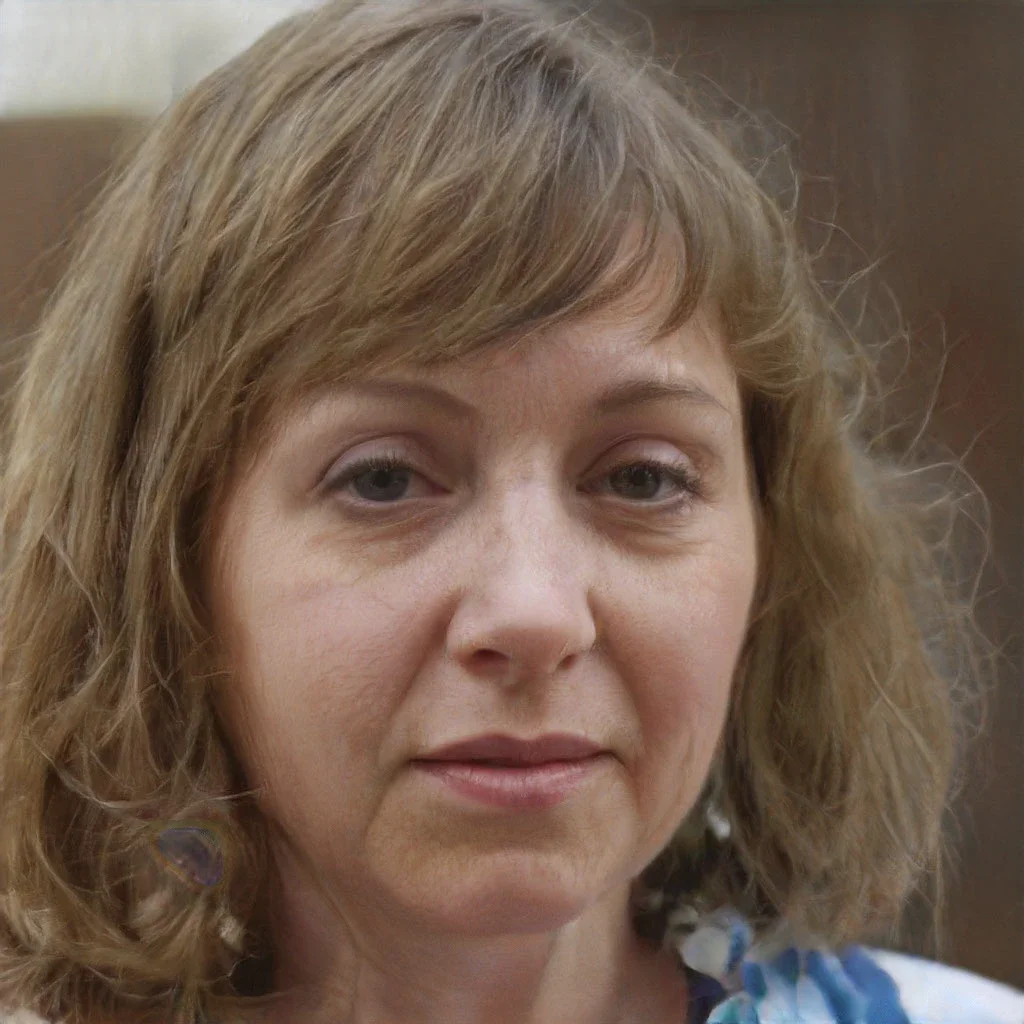
Noelia Purig
Contó que habían allanado un canal de noticias de forma violenta, y que la libertad de prensa estaba en peligro. Ella no es libre ni presa. No es. Pero la noticia cayó en un terreno ya partido en dos, y cada lado hizo con ella lo que necesitaba. Unos la creyeron como prueba de un atropello. Otros la negaron como otra exageración. Eso generaba. No un debate, sino dos certezas enfrentadas que ni se miraban. Su denuncia encontró quién la abrazara y quién la descartara, igual que cualquier noticia real, sin que ella hubiera existido jamás.
She told a story about a news channel being violently raided, claiming that freedom of the press was in danger. She is neither free nor captive. She isn't. But the news fell on a ground already split in two, and each side did with it what they needed. Some believed it as proof of an outrage. Others denied it as just another exaggeration. That is what it generated. Not a debate, but two clashing certainties that didn't even look at each other. Her accusation found those who would embrace it and those who would discard it, just like any real piece of news, without her ever having existed.
Poynter Check.
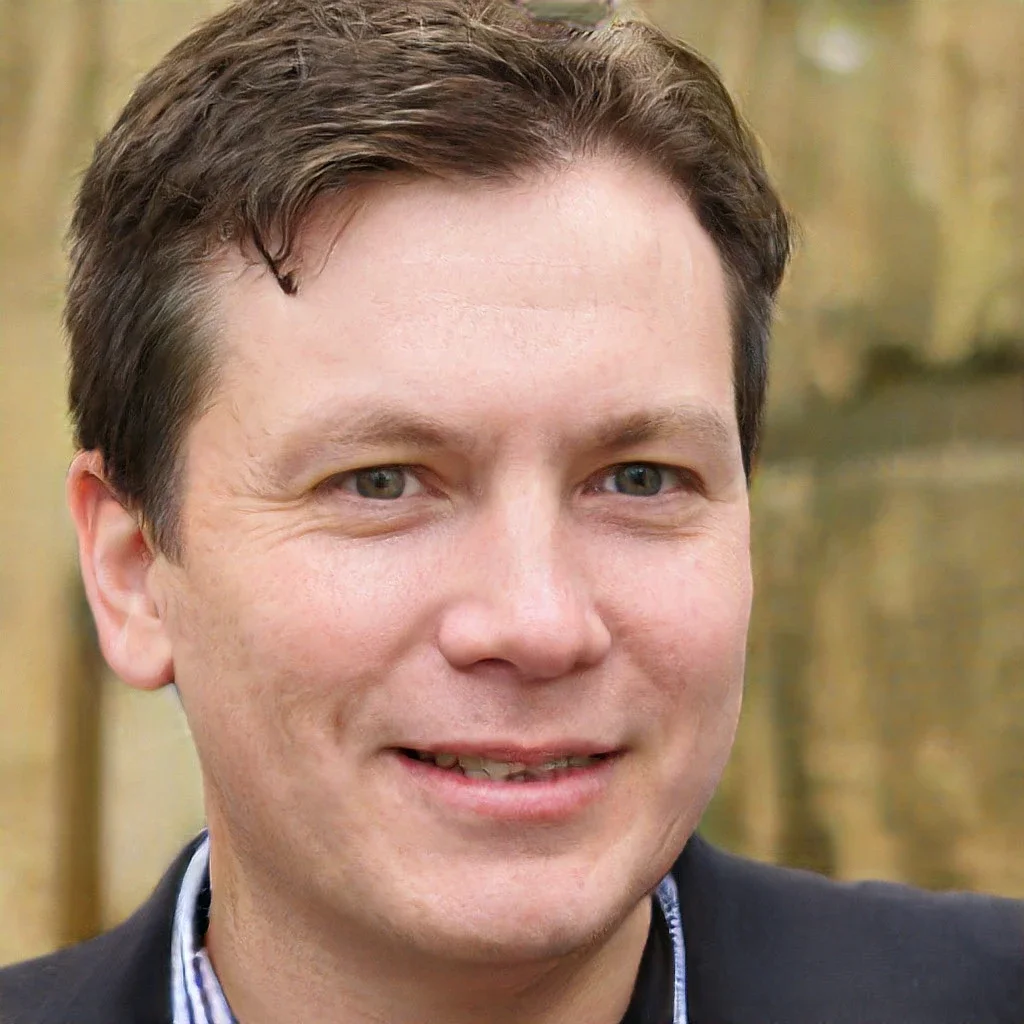
Emir Cezbúck
Dedicó años, dijeron, a confirmar un viejo encantamiento. Que los ojos de la Mona Lisa siguen al que la mira por toda la sala. No tuvo años. No tuvo nada. Es un rostro inventado hablando de otra cara, pintada hace cinco siglos. Lo que generaba era de lo más dulce. Asombro, un poco de magia, el gusto de creer que el arte guarda secretos sobrenaturales. Lo irónico es que el estudio que citaba demuestra lo contrario. La Mona Lisa no te mira. Mira apenas a un costado. Dos miradas que nos siguen, y ninguna existe.
They said he dedicated years to confirming an old enchantment: that the Mona Lisa’s eyes follow whoever looks at her all around the room. He didn't have years. He didn't have anything. He is an invented face talking about another face, painted five centuries ago. What it generated was of the sweetest kind. Amazement, a bit of magic, the pleasure of believing that art holds supernatural secrets. The ironic thing is that the study he cited proves the exact opposite. The Mona Lisa isn't looking at you. She is looking just slightly to the side. Two gazes following us, and neither exists.
Science Daily Check
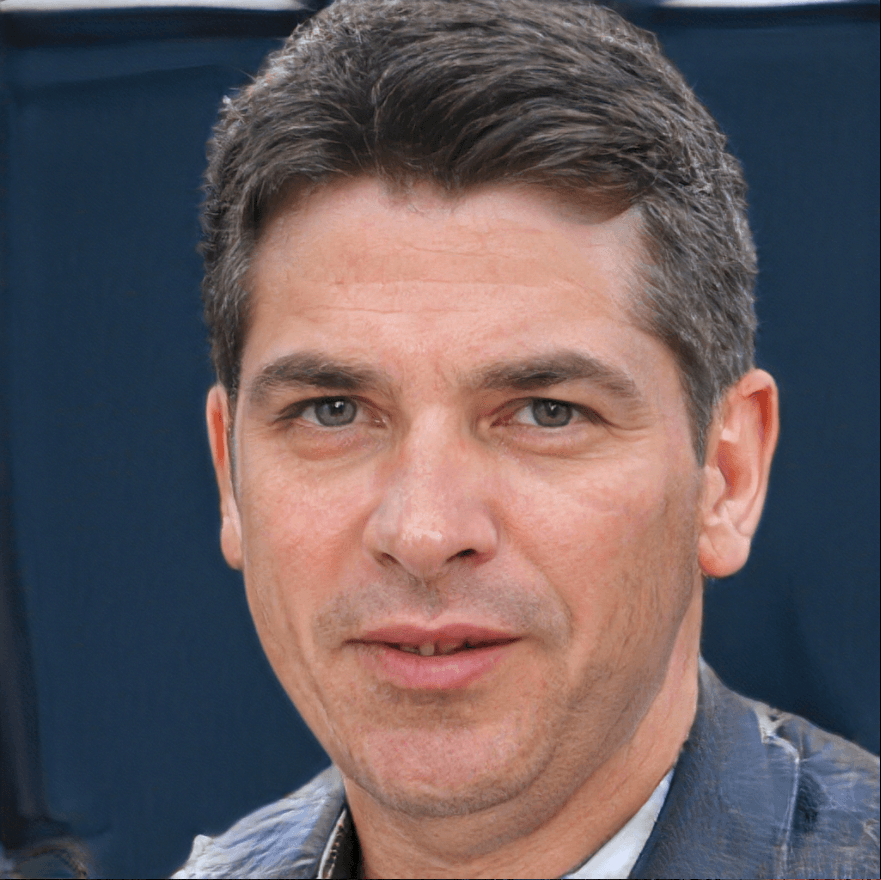
Frank Dorsey
Su nombre apareció como autor de la noticia más compartida de toda una elección. La nota decía que el Papa, rompiendo siglos de silencio, había respaldado a un candidato a la presidencia de Estados Unidos. Nunca pasó. Frank Dorsey tampoco. La firma, el medio, la cara, todo era de mentira, y aun así casi un millón de personas la hicieron circular. Lo que generaba era enorme. Le daba permiso celestial a una decisión política. Si hasta el Papa elige un lado, el tuyo deja de ser una opinión y se vuelve una cruzada. No hizo falta que fuera cierto. Hizo falta que fuera útil. Queda esta cara que nadie tuvo, y la duda incómoda de cuánto pesó una mentira en algo tan real.
His name appeared as the author of the most shared news piece of an entire election. The article claimed that the Pope, breaking centuries of silence, had endorsed a candidate for the presidency of the United States. It never happened. Neither did Frank Dorsey. The byline, the outlet, the face—everything was a lie, and yet nearly a million people circulated it. What it generated was massive. It gave celestial permission to a political choice. If even the Pope picks a side, yours stops being just an opinion and becomes a crusade. It didn't need to be true. It needed to be useful. What remains is this face that nobody ever had, and the uncomfortable question of how much a lie weighed in something so real.
Snopes Check
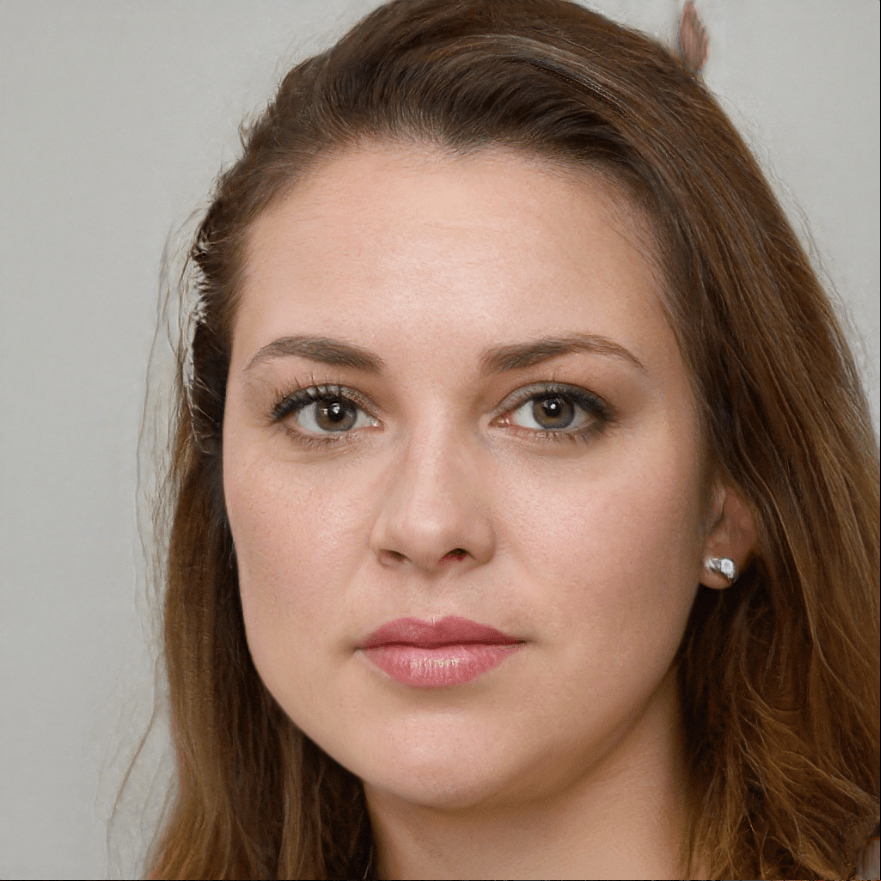
Helena Krauss
La presentaron como la neurocientífica que por fin había medido cuánto del cerebro usamos de verdad. Un diez por ciento, dijo. El resto, dormido, esperando. No midió nada. No investigó nada. No existió. Pero la idea era demasiado linda para soltarla. Prometía un genio escondido en cada uno, un noventa por ciento de poderes a la espera de despertar. Eso generaba. Esperanza, libros de autoayuda, películas, la fe mansa de que somos más de lo que rendimos. La ciencia repite hace décadas que usamos el cerebro entero. No importa. Preferimos a Helena, que nunca tuvo cerebro, antes que la verdad, que no nos promete nada.
She was introduced as the neuroscientist who had finally measured how much of our brain we actually use. Ten percent, she said. The rest, asleep, waiting. She didn't measure anything. She didn't investigate anything. She didn't exist. But the idea was too beautiful to let go. It promised a hidden genius within each of us, a ninety percent reserve of powers waiting to awaken. That is what it generated. Hope, self-help books, movies, the tame faith that we are more than what we perform. Science has been repeating for decades that we use our entire brain. It doesn't matter. We prefer Helena, who never even had a brain, over the truth, which promises us nothing.
Scientific American Check
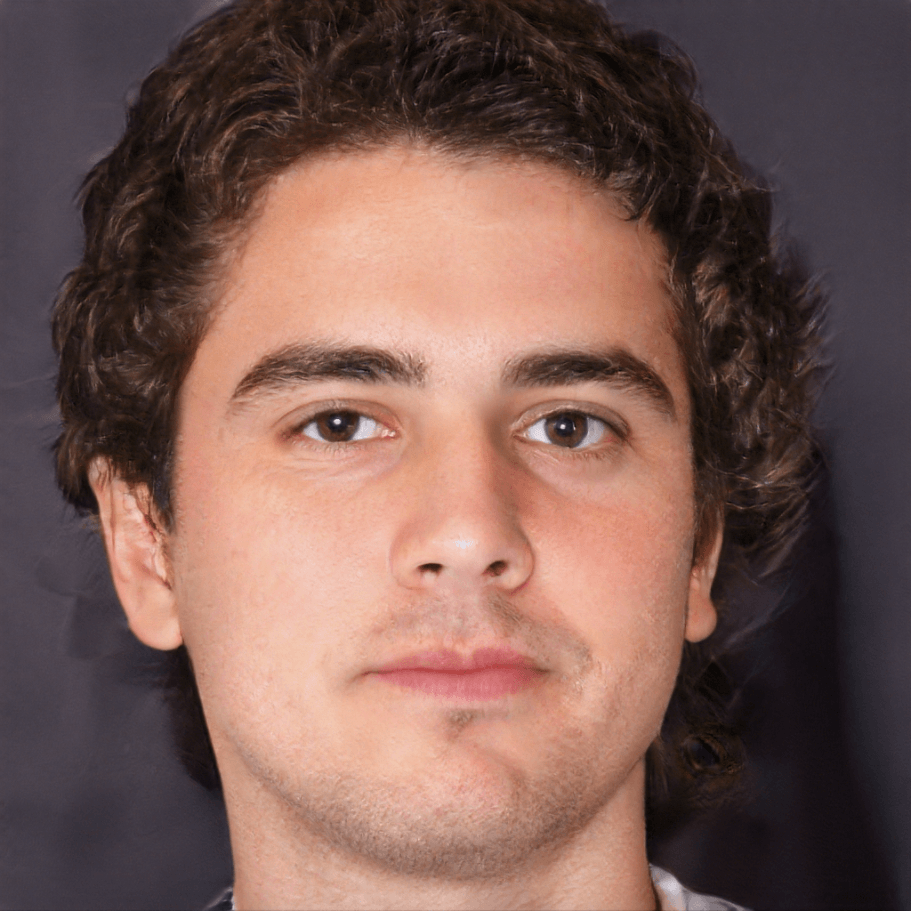
Edmund Hartley
Lo mostraron como el piloto que veía en la oscuridad gracias a las zanahorias. Derribaba aviones de noche, decían, por todo lo que comía. Era mentira, y esta vez la mentira la fabricó un gobierno. Durante la guerra, los ingleses escondieron su nuevo radar detrás de una historia de zanahorias y buena vista. Funcionó tan bien que sigue viva. Eso es lo más inquietante. No fue un rumor de internet, fue propaganda de Estado, y se volvió sabiduría de abuela. Lo que generó fue obediencia disfrazada de salud. Generaciones de chicos comiendo zanahorias para ver de noche, repitiendo sin saberlo el eslogan de una guerra terminada hace ochenta años. Edmund nunca voló. Pero su mentira todavía está en tu cocina.
They showed him as the pilot who could see in the dark thanks to carrots. He shot down planes at night, they said, because of everything he ate. It was a lie, and this time, the lie was manufactured by a government. During the war, the British hid their new radar system behind a story of carrots and good eyesight. It worked so well that it remains alive today. That is the most unsettling part. It wasn't an internet rumor; it was state propaganda, and it became grandmother's wisdom. What it generated was obedience disguised as health. Generations of children eating carrots to see at night, unknowingly repeating the slogan of a war that ended eighty years ago. Edmund never flew. But his lie is still in your kitchen.
Smithsonian Mag Check
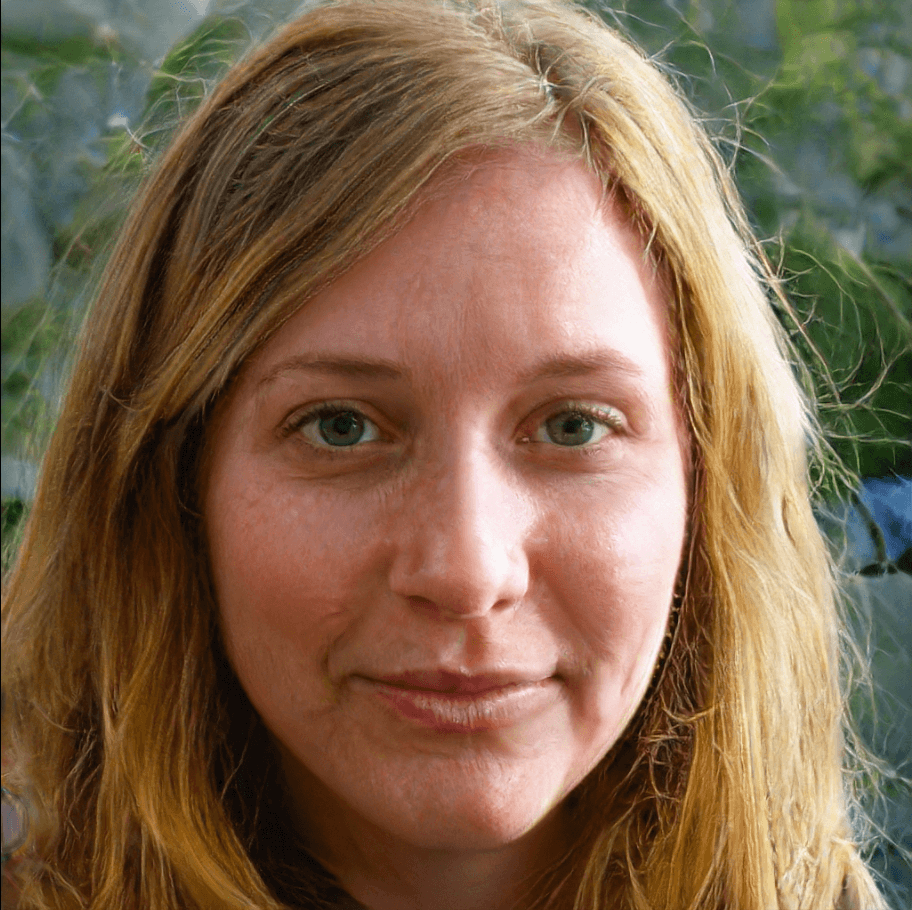
Marisol Quintana
La pusieron a denunciar que el arroz que comíamos era de plástico, fabricado lejos, vendido como comida. Mostró el truco. El grano que rebota, el que se derrite, el que no huele a nada. No denunció nada. No probó nada. No estuvo. Pero el miedo a que nos envenenen por unas monedas es viejo y siempre está a mano. Eso generaba. Gente revisando su arroz en la cocina, tirando paquetes enteros, desconfiando del de al lado, del de lejos, del que cocina distinto. La mentira no necesitaba ser cierta. Necesitaba tocar la sospecha de que alguien, en algún lado, nos quiere ver caer. Marisol no existió. El asco que sembró, sí, y todavía rebota.
They had her denounce that the rice we were eating was made of plastic, manufactured far away, and sold as food. She showed the trick: the grain that bounces, the one that melts, the one that smells like nothing. She didn't denounce anything. She didn't prove anything. She wasn't there. But the fear of being poisoned for a few coins is old and always within reach. That is what it generated. People inspecting their rice in the kitchen, throwing away entire bags, distrusting the person next door, the person far away, the person who cooks differently. The lie didn't need to be true. It needed to touch the suspicion that someone, somewhere, wants to see us fall. Marisol did not exist. The disgust she sowed did, and it is still bouncing.
Snopes Check
Fake Faces For Fake News
2019
Autoría / Authorship: ilChacho y Matías Escalona
Técnica y soporte / Medium: Imágenes digitales. Retratos generados con inteligencia artificial combinados con titulares y noticias ficticias, en español e inglés. Publicadas en sitio web e Instagram (@fakefacesforfakenews) / Digital images. AI-generated portraits combined with fictional headlines and news, in Spanish and English. Published on a website and Instagram (@fakefacesforfakenews)
Medidas / Dimensions: Dimensiones variables, formato JPG / Dimensions variable, JPG format
Edición / Edition: Sin edición. Concebida para difusión libre / No edition. Conceived for free distribution